
Click Here if you listened. We’d love to know what you think. There is even a spot for feedback! Read along below!
By: Stephen Bishop

Bottlenecks are the bane of a beekeeper’s existence. Just when you think you’ve solved one, another appears.
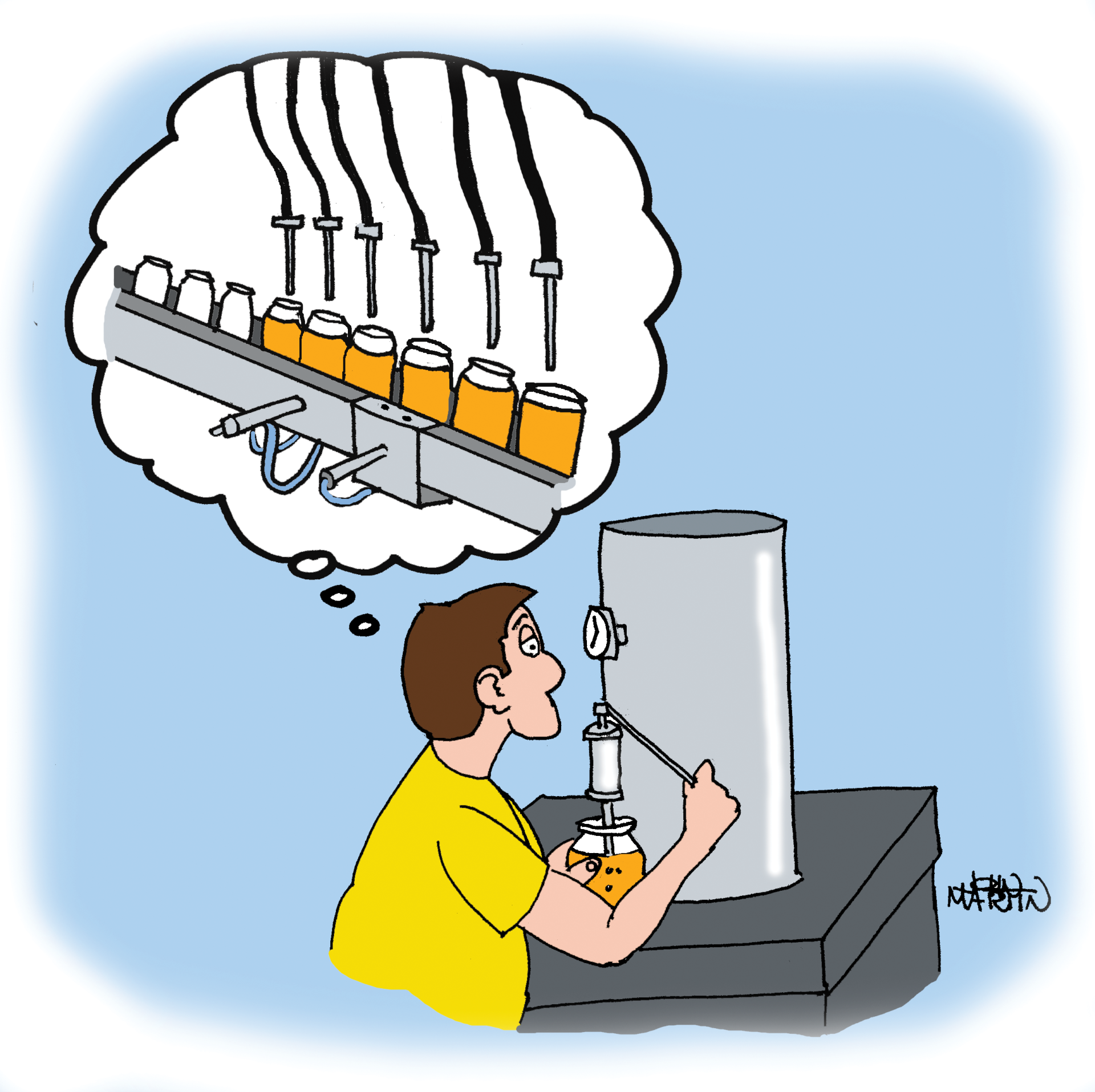
“It sure would be nice to have an automated uncapper,” I said one afternoon, lamenting my current bottleneck — the slow, tedious process of uncapping honeycomb by hand.
“I thought you just bought one,” my wife said.
“No, I bought an uncapping tank.”
“Oh,” she said. “Why do you need an automated uncapper?”
“Because my uncapping plane is too slow.”
“But you bought the plane last year because your uncapping knife was too slow.”
“I did,” I said. “And the plane is faster than the knife. But now that I have the big uncapping tank, the plane is the bottleneck.”
She paused. “If you still have a bottleneck,” she said, “why don’t you just go back to the old bottleneck and sell the expensive tank instead of buying another expensive uncapping thing?”
Like I said — bottlenecks are the bane of a beekeeper’s existence. Or at least the bane of a beekeeper’s joint bank account.
I grew up in a bottleneck, a tiny town called Hamlet, North Carolina. About the only thing Hamlet had going for it was that it was once a bustling railroad town. By the time I was growing up, cars headed to the beach bogged down where the highway narrowed to pass under an old railroad trestle. That trestle was a bottleneck of the first order, and Hamlet became known far and wide as the place where families stalled on their way to the beach.
In beekeeping, bottlenecks ensnare beekeepers early. “You might as well start with two hives,” the saying goes. There’s some logic beneath it: if you’re going to take care of one hive, you might as well take care of two. Same effort. Twice the output. Efficiency. Of course, what aspiring parent hasn’t thought, “Wouldn’t it be nice to have twins?” And what sleep deprived parent hasn’t later thought, “I’m glad I didn’t have twins.”
Many years ago, North Carolina rolled out its Certified Honey Producer Program. To qualify, someone already certified has to come inspect your operation and vouch that you are a real beekeeper. When I applied, I had about a twenty hives and dreams of many more. Mike, a beekeeper from a neighboring county, came out to inspect my bee yard. He had a graying beard and was about ten years older than me.
“How many hives do you have?” I asked.
“About fifty production colonies and twenty-five nucs,” he said.
“I’d like to have about fifty colonies myself,” I said. I would have said one hundred, but my parents raised me to be modest.”
“Don’t do it,” he said, laughing. “It’s a trap.”
At the time, I didn’t understand what he meant. I think I do now.
Beekeeping has a way of convincing you that you’re always one purchase away from efficiency. If you’re under capacity, you need more hives. If you’re over capacity, you need more equipment. You are never quite at capacity. The bottleneck just moves.
I’ve seen beekeepers who seem content to let hive numbers fluctuate, who aren’t driven by maximum efficiency. I envy them. I keep chasing bottlenecks instead — buying one more piece of equipment, convincing myself that once I fix this problem, things will finally smooth out.
So far, they never have.
