



Click Here if you listened. We’d love to know what you think. There is even a spot for feedback!
Read along below!

The Hidden Skill That Can Turn Any Good Beekeeper Into a Great One
Part 1
By: David Burns
Recently it has become clear to me that one of the biggest challenges facing beekeepers today, especially new beekeepers, is a serious disconnect between descriptive beekeeping and interpretive beekeeping. I believe this may be why so many beekeepers become frustrated and confused and are struggling to keep their bees alive.
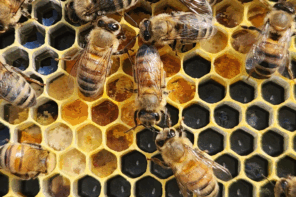
New beekeepers are taught descriptive beekeeping, that is, how to identify what we see. We are taught to identify eggs, larvae and capped over pupae, nectar, pollen and honey. New beekeepers are taught how to identify what they see during an inspection. This is great, and we all must start at this level. This is an essential starting point.
I remember when I first started to learn the very basics of beekeeping, it was fun. Learning how to identify various aspects of the colony’s activity was empowering. However, early on I didn’t know what to do when I identified a problem. A high percentage of beekeepers remain at this level year after year, only able to describe what they see but do not know yet how to interpret what they observe.
If we stay at the descriptive level, we’ll always remain at the beginner level of beekeeping rather than advancing to the interpretive level of beekeeping.
For example, describing the various parts of a car does not make you a good driver in heavy traffic. Doctors don’t treat the symptoms they see. They get to the underlying cause of the symptoms.
Interpretive beekeeping is when we can read the colony not just as many scattered observations, but as a single organism. Then we can fully interpret the colony’s past, present and future. As an interpretive beekeeper we can understand everything going on within the colony. We can assess how they are doing, what they need, what might be wrong and know exactly what actions to take.
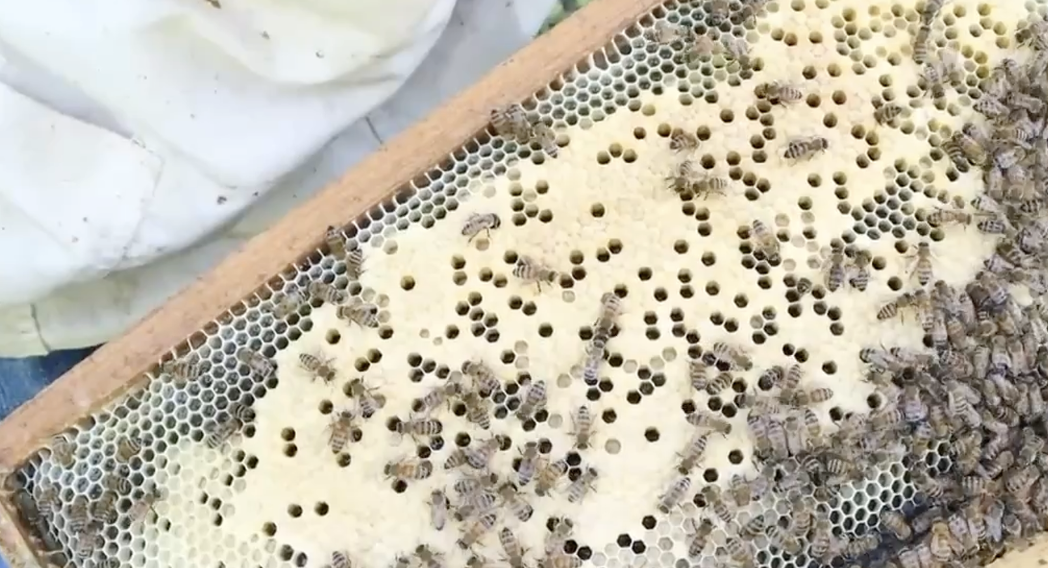
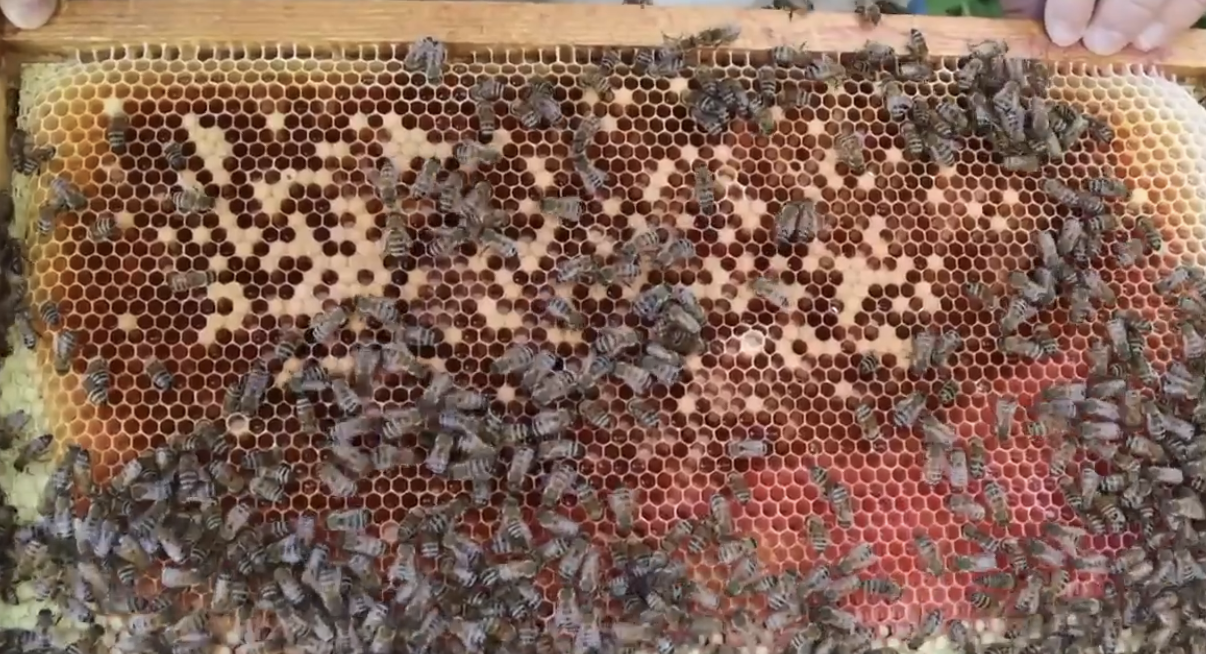
When we look at our bees, it’s so fun because we can evaluate what was happening in the past. When we see capped brood, the hive had larvae and eggs in the past. If we only see six-day old larvae and nothing younger, we can look back into the past and know our queen died six days ago.
We can see the present by observing what is happening now. By observing the present, we can then see into the future. If we see several frames of eggs, we know we’ll have thousands of nurse bees in four or five weeks, and after that wax builders, and after that foragers. The interpretive beekeeper evaluates and analyzes the past, present and future.
An interpretive beekeeper learns the natural and predictable rhythms of the colony. This is when the lightbulb went off for me, when I became fully aware of all the patterns and rhythms of the colony. The interpretive beekeeper uses the colony’s rhythms to properly analyze the colony:
Brood: Eggs (1-3 days), larvae (4-9 days), pupae (10-21 days)
Age Polyethism: Bees work in a pattern of known division and timing of labor.
- Days 1–3: House cleaning
- Days 4–12: Nursing/feeding larvae
- Days 12–17: Wax building, move food around
- Days 18–21: Guard the entrance
- Days 22+: Foraging for nectar, pollen, water and propolis
Population: Each colony expands and shrinks in predictable patterns.
- Spring brings a rapid buildup of the colony & swarms.
- Summer is when the colony is fully populated.
- Late Summer the colony begins a slow decline.
- Fall brings periods of dearth that leads to a decline in colony size.
The road to interpretive beekeeping begins by mastering the known rhythms of the colony and reading the past, present and future that these rhythms reveal. Most introductory beekeeping education focuses on just identifying what you see. This is valuable, but it is only the basic starting point. What makes beekeeping fascinating and deeply rewarding is interpretation. It is learning to read the hive as a living, single organism.
My commitment, in speaking, writing and in my YouTube videos, is to help beekeepers make this shift into interpretive beekeeping. Because once you do, your inspections change. Your confidence soars. Your enjoyment skyrockets. You begin to understand your bees in a more meaningful way.
Descriptive beekeeping is how we all begin. Interpretive beekeeping is how we grow. And making that transition is where the real art of beekeeping begins. Next month, in part two, I’ll share four powerful keys to shift from being a descriptive beekeeper to an interpretive beekeeper.
If you’d like to watch my video where I explore more of the rhythms of honey bees, visit: https://www.honeybeesonline.com/davids-youtube-channel/